Three-Phase Electrical Service in the Central Valley: What Facilities Need to Know
If you operate an industrial, manufacturing, or agricultural facility in California’s Central Valley, the electrical infrastructure powering your operation is one of the most critical factors in your productivity and profitability. Standard single-phase power, the same type used in residential settings, is simply not designed for the demands of heavy machinery, large HVAC systems, or continuous industrial processes.
Three-phase electrical service is the standard for commercial and industrial facilities for good reason. It delivers more power more efficiently, runs motors more reliably, and reduces the strain on your electrical infrastructure. For facilities in Modesto, Stockton, Tracy, Merced, and the surrounding Central Valley, upgrading to or maintaining a properly designed three-phase system is an operational necessity.
Jason Davis Electric, Inc. has been the trusted industrial electrical partner in the Central Valley since 2010. With over 25 years of union-trained experience, the team specializes in designing, installing, and maintaining high-voltage power systems for facilities of all sizes.
Single-Phase vs. Three-Phase Power: The Core Difference
To understand why three-phase power matters, it helps to understand how it differs from the single-phase power found in homes and small commercial spaces.
How Single-Phase Power Works
Single-phase power uses one alternating current (AC) voltage waveform. The power delivery rises and falls in a sine wave pattern, dropping to zero twice per cycle (120 times per second at 60 Hz). For lighting and small appliances, this is adequate. For heavy motors and industrial equipment, those momentary drops in power delivery create inefficiency, vibration, and mechanical stress.
How Three-Phase Power Works
Three-phase power uses three distinct AC waveforms, each offset by 120 degrees from the others. Because the three waveforms overlap, the combined power delivery never drops to zero, it maintains a continuous, steady flow of electricity. This constant delivery is what makes three-phase power so well-suited to industrial applications.
The two most common three-phase voltage configurations used in Central Valley facilities are:
| Configuration | Common Applications |
|---|---|
| 120/208V three-phase | Light commercial, small manufacturing |
| 277/480V three-phase | Heavy industrial, large HVAC, agricultural pumps |
The right configuration for your facility depends on the specific equipment you’re running and your overall power requirements.
Why Central Valley Facilities Need Three-Phase Service
The specific demands of Central Valley industries make three-phase power indispensable. Here’s what it means in practical terms for your operation.
Running Heavy Machinery Efficiently
Industrial equipment, large HVAC systems, conveyor belts, commercial refrigeration units, agricultural pumps, compressors, and processing machinery, requires significant starting torque and continuous power. Three-phase motors are specifically designed to take advantage of the constant power delivery that three-phase service provides.
A three-phase motor starts more smoothly, runs cooler, and experiences less mechanical vibration than a comparable single-phase motor. This translates to longer equipment life, fewer breakdowns, and lower maintenance costs over time.
Minimizing Operational Downtime
In manufacturing and agriculture, downtime equals lost revenue. A production line that goes down due to electrical problems doesn’t just stop producing, it creates cascading costs in labor, spoilage, and missed deadlines. Three-phase motors are inherently more robust than single-phase motors. They’re less prone to the overheating and mechanical stress that cause premature failures, making your operation more resilient.
Transmitting More Power with Less Material
Three-phase systems can transmit significantly more power using less conductive material than a comparable single-phase system. This means lower installation costs for new facilities and more efficient use of existing infrastructure when upgrading. Over the lifespan of a facility, the efficiency gains from three-phase power translate into meaningful operational cost savings.
Supporting Future Expansion
If your facility is growing, adding production capacity, new equipment, or additional buildings, a properly designed three-phase system gives you the infrastructure to scale. A system designed with future load growth in mind avoids the costly and disruptive process of upgrading the power infrastructure again in a few years.
For industrial and agricultural operations in the Central Valley, three-phase power isn’t a luxury, it’s the foundation that everything else runs on. Getting the design right from the start protects your investment for decades.
What a Three-Phase Installation or Upgrade Involves
Installing or upgrading to three-phase service is a complex project that requires coordination between the electrical contractor, the facility owner, and the local utility provider. Here’s what the process generally looks like:
- Load analysis: The electrician conducts a detailed evaluation of your facility’s current electrical load and projected future requirements.
- System design: A custom power distribution system is designed to meet your operational needs and accommodate future growth.
- Utility coordination: For new three-phase service, the contractor coordinates with PG&E to bring the appropriate service to your facility. This process has its own timeline and requirements.
- Permitting: All required permits are pulled from the relevant local jurisdiction.
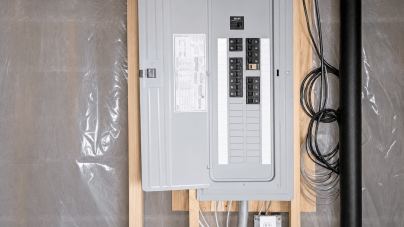
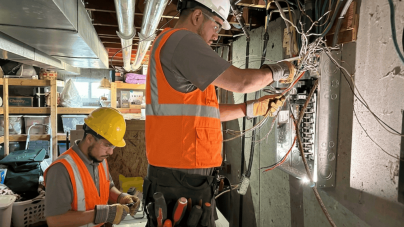
- Installation: The service entrance, distribution panels, conduit, and wiring are installed by union-trained electricians.
- Inspection: The work is inspected and approved by the local authority having jurisdiction (AHJ).
- Commissioning: The system is tested under load to confirm it performs as designed.
The timeline for a three-phase installation varies significantly based on the size of the facility and the complexity of the work. Utility coordination is often the longest part of the process.
Compliance with Industrial Safety Standards
Working with high-voltage industrial systems requires strict adherence to safety codes and regulations. All installations by Jason Davis Electric comply with the National Electrical Code (NEC), California Electrical Code (CEC), and applicable OSHA regulations for electrical work in industrial environments.
For facilities that fall under specific industry regulations, food processing, agricultural operations, or manufacturing with hazardous materials, additional code requirements may apply. The team is experienced in navigating these requirements and ensuring your installation meets all applicable standards.
Common Three-Phase System Issues and How to Address Them
Even well-designed three-phase systems can develop problems over time. Knowing what to watch for helps you address issues before they cause downtime.
Phase imbalance. If the electrical loads on your three phases are significantly unequal, the system becomes unbalanced. Phase imbalance causes motors to run hotter, reduces efficiency, and shortens equipment life. It can also cause neutral conductors to carry excessive current. Regular load monitoring and periodic rebalancing of loads across phases helps prevent this.
Voltage fluctuations. Significant voltage drops or spikes on a three-phase system can damage sensitive equipment and reduce motor efficiency. If your facility is experiencing unexplained equipment failures or motors that run hot, voltage quality should be investigated.
Aging infrastructure. Three-phase distribution panels, transformers, and conductors have finite lifespans. Connections loosen over time due to thermal cycling. Insulation on older wiring degrades. Periodic maintenance inspections by a licensed electrician can identify aging components before they fail.
Inadequate capacity for new equipment. Adding new machinery or expanding production capacity without a corresponding evaluation of the electrical system is a common mistake. Before installing new high-draw equipment, have a licensed electrician verify that the existing system has the capacity to support it safely.
Agricultural Applications in the Central Valley
California’s Central Valley is one of the most productive agricultural regions in the world, and three-phase power is essential to agricultural operations of all sizes. Here’s where it makes the biggest difference:
Irrigation pumps. Large agricultural pumps require three-phase motors to operate efficiently. Single-phase motors of the same horsepower are significantly less efficient and generate more heat, leading to higher operating costs and shorter service life.
Grain handling and processing. Conveyors, augers, grain dryers, and processing equipment all rely on three-phase power for smooth, efficient operation. Facilities that process agricultural products need reliable three-phase service to maintain throughput and avoid costly downtime during harvest season.
Cold storage and refrigeration. Refrigeration compressors for cold storage facilities are among the most power-hungry pieces of equipment on a farm or processing facility. Three-phase compressors are more efficient and more reliable than single-phase alternatives, which is critical for facilities that must maintain precise temperature control year-round.
Dairy and livestock operations. Modern dairy operations rely on three-phase power for milking systems, ventilation, feed handling, and waste management equipment. The reliability of three-phase systems is particularly important in these applications, where equipment failures can directly affect animal welfare and product quality.
Schedule a Three-Phase Evaluation for Your Central Valley Facility
Jason Davis Electric serves industrial and commercial facilities throughout the Central Valley, including Modesto, Stockton, Tracy, Merced, Turlock, and nearby areas. The team is licensed (Lic #952358), bonded, and insured.
Call (209) 521-6741 or contact us online to schedule a facility evaluation. Whether you’re building a new facility or upgrading an existing one, the team can assess your power requirements and design a system built for your operation.