Commercial Generator Standby Installation in Oakdale, CA: Keep Your Business Running
Oakdale business owners know that the power grid isn’t always reliable. Rolling blackouts, severe weather, equipment failures, and utility maintenance can cut power without warning. For a commercial operation, every hour of downtime has a direct cost, lost sales, idle employees, spoiled inventory, and damaged customer trust.
A commercial standby generator is the most effective way to eliminate that vulnerability. Unlike a portable generator that requires manual setup, a standby system monitors your power automatically and kicks in within seconds of an outage, without anyone having to do anything. Your business keeps running, your customers don’t notice, and your losses stay at zero.
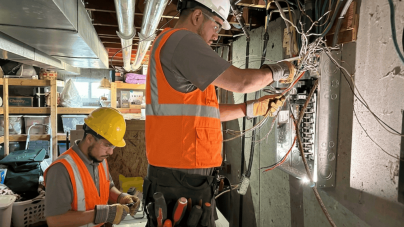
Jason Davis Electric, Inc. specializes in comprehensive commercial electrical solutions, including the design and installation of reliable backup power systems. With over 25 years of experience serving the Central Valley, the team ensures your business remains operational regardless of what happens to the grid.
The Real Cost of a Power Outage for Your Business
The financial impact of a power outage extends well beyond the immediate loss of sales during the blackout. Understanding the full picture makes the case for a standby generator clear.
Lost Revenue and Productivity
When the power goes out, operations halt. Retail stores can’t process transactions. Offices lose access to networks and communication systems. Manufacturing lines shut down. The longer the outage lasts, the greater the loss. A standby generator ensures your critical systems stay online, your employees keep working, and your customers keep being served.
Data Loss and Security Risks
Modern businesses depend on digital infrastructure. A sudden loss of power can cause servers to crash, leading to data corruption or permanent loss of critical files. Security systems, cameras, access controls, alarm systems, also fail without power, leaving your premises vulnerable during the outage. A standby generator provides the seamless power transition needed to protect your data and maintain building security.
Spoilage and Inventory Loss
For restaurants, grocery stores, medical facilities, and any business that relies on refrigeration, an extended outage can result in the loss of thousands of dollars worth of inventory. A commercial generator automatically keeps refrigeration units running, preventing spoilage and ensuring compliance with health and safety regulations.
Regulatory and Compliance Obligations
Some businesses, medical offices, assisted living facilities, data centers, have legal obligations to maintain power continuity. A standby generator isn’t optional for these operations; it’s a compliance requirement.
How a Commercial Standby Generator Works
A commercial standby generator is a permanently installed, automated backup power system. Here’s how it operates:
The Automatic Transfer Switch (ATS)
The core of any standby generator system is the Automatic Transfer Switch (ATS). The ATS continuously monitors the utility power coming into your building. When it detects a voltage drop or a complete outage, it automatically signals the generator to start. Once the generator reaches operating speed and voltage, the ATS safely disconnects your building from the utility grid and connects it to generator power. The entire process typically takes between 10 and 30 seconds.
When utility power is restored, the ATS reverses the process, reconnecting to the grid, shutting down the generator, and returning the system to standby mode. The whole transition happens without any manual intervention.
Fuel Sources
Commercial standby generators are connected directly to a continuous fuel source, typically natural gas or liquid propane (LP). This eliminates the need to store hazardous fuel on-site or manually refuel during an extended outage. A natural gas generator connected to the utility gas line can run indefinitely as long as gas service is maintained. An LP generator with a properly sized tank can run for days or weeks.
The right fuel choice depends on your location, the availability of natural gas service, and your operational requirements.
A commercial standby generator isn’t just a backup plan, it’s a business continuity investment. The cost of a single extended outage can exceed the cost of the generator itself.
Sizing Your Generator Correctly
Generator sizing is one of the most critical decisions in the installation process. A generator that’s too small won’t power your essential systems. One that’s too large is an unnecessary capital expense.
Proper sizing requires a load analysis, a detailed assessment of the electrical demand of every system you need to keep running during an outage. This includes:
- HVAC systems
- Refrigeration and freezer units
- Lighting (emergency and operational)
- Computer networks and servers
- Point-of-sale systems
- Security and access control systems
- Any specialized equipment specific to your business
Based on the load analysis, the generator can be sized to support either your essential systems only (a more economical approach) or your entire building (full continuity). The right choice depends on your business type, your budget, and your operational priorities.
The Installation Process
Installing a commercial standby generator involves more than just placing a unit outside the building. Here’s what a complete installation includes:
- Load analysis: Detailed assessment of your facility’s power requirements.
- Generator selection: Recommendation of the appropriate generator size and fuel type.
- Site assessment: Evaluation of the installation location for clearances, ventilation, and code compliance.
- Permitting: All required permits are pulled from the City of Oakdale and any other relevant authorities.
- Foundation and mounting: A concrete pad or other approved mounting surface is prepared.
- Electrical connections: The ATS is installed and connected to the main electrical panel.
- Fuel connections: Gas or LP connections are made by licensed professionals.
- Testing: The system is tested under simulated outage conditions to confirm it operates correctly.
- Training: The business owner or facilities manager is walked through the system’s operation and maintenance requirements.
Ongoing Maintenance
A standby generator is only as reliable as its maintenance history. Most manufacturers recommend annual service, which includes oil and filter changes, battery testing, coolant checks, and a full load test. Jason Davis Electric offers maintenance services to keep your system performing at peak readiness year-round.
Choosing the Right Generator Brand and Model
The commercial generator market includes a range of manufacturers, and the right choice depends on your facility’s specific requirements. Here are the key factors to evaluate:
Power output (kW). Generator output is rated in kilowatts. The load analysis determines the minimum output required for your facility. It’s generally advisable to size the generator with some headroom above the calculated load to accommodate future growth and to avoid running the generator at maximum capacity continuously.
Fuel type. As noted earlier, natural gas and liquid propane are the most common choices for commercial standby generators. Natural gas is convenient where utility gas service is available. LP offers flexibility in locations where gas service isn’t available, but requires on-site tank storage and periodic refueling.
Enclosure type. Outdoor generators require weatherproof enclosures. The enclosure must also meet local noise ordinances, which vary by municipality. Some locations require sound-attenuated enclosures to comply with noise limits.
Manufacturer reputation and parts availability. A generator is a long-term investment. Choose a manufacturer with a strong service network in the Central Valley and readily available parts. A generator that requires weeks to source replacement parts during a critical outage defeats the purpose of having backup power.
Warranty. Commercial generators typically come with a warranty covering both parts and labor. Understand what’s covered, for how long, and what the warranty service process looks like before making a final decision.
Industries That Benefit Most from Standby Power in the Central Valley
While virtually any business benefits from backup power, certain industries in the Central Valley have particularly compelling reasons to invest in a commercial standby generator:
Food service and hospitality. Restaurants, hotels, and catering operations depend on refrigeration, cooking equipment, and climate control. An outage during peak service hours can result in immediate revenue loss and significant food spoilage.
Healthcare and medical offices. Medical facilities have both ethical and regulatory obligations to maintain power for patient care equipment, electronic health records, and climate control. For many medical practices, a standby generator is a compliance requirement.
Agricultural operations. Irrigation systems, refrigeration for perishable products, and livestock ventilation systems all require continuous power. A summer outage during peak growing season can have severe consequences for a farming operation.
Retail and e-commerce fulfillment. Retail stores that can’t process transactions lose sales immediately during an outage. Fulfillment operations that go dark fall behind on orders and risk customer satisfaction issues.
Professional services. Law firms, accounting firms, and other professional services businesses rely on network infrastructure and client communication systems. An outage disrupts client service and can compromise data security.
Schedule a Generator Evaluation for Your Oakdale Business
Jason Davis Electric serves Oakdale and nearby areas including Modesto, Riverbank, Escalon, Stockton, and the greater Central Valley. The team is licensed (Lic #952358), bonded, and insured.
Call (209) 521-6741 or contact us online for a no-obligation evaluation. The team will assess your facility’s power requirements and recommend the right generator solution for your business.