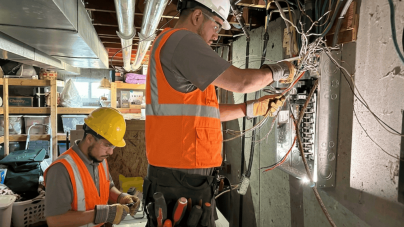
Home Rewiring in Oakdale, CA: Know the Warning Signs
Oakdale, California, is known for its charming neighborhoods and historic homes. But beneath the beautiful facades of older properties, outdated electrical wiring is one of the most common, and most dangerous, hidden hazards. As your reliance on modern technology and high-draw appliances grows, electrical systems built decades ago struggle to keep pace, creating real safety risks for your family.
If your home was built before 1980 and hasn’t had a full electrical update, there’s a good chance the wiring doesn’t meet current safety standards. Knowing what to look for can help you catch a problem before it becomes a fire.
Jason Davis Electric, Inc. has served Oakdale homeowners since 2010. With over 25 years of union-trained experience, the team specializes in identifying and resolving complex electrical issues, from isolated problem circuits to full home rewiring projects.
Warning Signs Your Home Needs Rewiring
Electrical problems rarely announce themselves all at once. They tend to build gradually, giving you time to catch them, if you know what to watch for.
1. Frequent Breaker Trips and Blown Fuses
A circuit breaker is designed to trip when a circuit is overloaded, cutting power before the wiring overheats. An occasional trip is normal. But if you’re constantly resetting breakers, especially when running multiple appliances at the same time, your system is telling you it can’t handle the load.
Older Oakdale homes were wired for a fraction of today’s electrical demand. Adding modern appliances, home offices, and entertainment systems to a system that was never designed for them is a recipe for persistent overloading.
2. Flickering or Dimming Lights
Lights that flicker, dim, or buzz when a major appliance cycles on, like an air conditioner or refrigerator, indicate a significant voltage drop on that circuit. This fluctuation means the wiring is inadequate for the load being placed on it. It’s not just an annoyance; it’s a symptom of an overtaxed system that needs professional attention.
3. Discolored Outlets and Burning Odors
Scorching or discoloration around outlets and switches is one of the most serious warning signs you can find. It’s caused by arcing, electricity jumping across a gap, which generates intense heat. If you notice a burning plastic or electrical odor near an outlet, or if an outlet feels warm to the touch, stop using it immediately and call a licensed electrician. These are immediate precursors to an electrical fire.
4. Two-Prong Outlets Throughout the Home
If your home still has two-prong, ungrounded outlets in most rooms, the wiring predates modern grounding requirements. Ungrounded outlets can’t protect your electronics from power surges and increase the risk of electrical shock. Updating to grounded, three-prong outlets is part of a full rewiring project.
5. The Panel Has Run Out of Space
If your electrical panel is full and there’s no room to add new circuits, that’s a sign the system has reached its limit. Daisy-chaining circuits or using tandem breakers as a workaround creates overloading risks. A rewiring project typically includes a panel upgrade to give the system the capacity it needs.
The Dangers of Knob-and-Tube and Aluminum Wiring
Many historic homes in Oakdale may still contain knob-and-tube (K&T) or aluminum wiring. Both systems present unique safety hazards that go beyond simple aging.
Knob-and-Tube Wiring
Knob-and-tube wiring was the standard installation method from the 1880s through the 1940s. It lacks a grounding conductor, making it highly susceptible to faults and increasing the risk of electrical shock. The insulation on K&T wiring also degrades over time, leaving bare wires exposed. The NEC no longer permits new K&T installations, and many insurance companies refuse to cover homes that still rely on it as the primary wiring system.
Beyond the wiring itself, K&T systems were designed for a world with far fewer electrical devices. Running modern loads through them creates overheating risks that the original design never anticipated.
Aluminum Wiring
Aluminum wiring was used extensively in the 1960s and 1970s due to copper shortages. The core problem is that aluminum expands and contracts more than copper when it heats and cools. Over time, this movement causes connections at outlets and switches to loosen, leading to arcing, overheating, and potential fires. Homes with aluminum wiring require either full replacement or specific remediation techniques at every connection point.
Outdated wiring is the leading cause of residential electrical fires. If your home was built before 1980 and hasn’t been evaluated by a licensed electrician, scheduling an inspection is one of the most important things you can do for your family’s safety.
What a Full Rewiring Project Involves
A home rewiring project is a significant undertaking, but it’s manageable with the right contractor. Here’s what the process generally looks like:
- Electrical evaluation: A licensed electrician assesses the existing system, identifies hazardous materials, and maps out what needs to be replaced.
- Scope and estimate: You receive a detailed written estimate covering materials, labor, and timeline.
- Permitting: The contractor pulls all required permits from the City of Oakdale.
- Rewiring: New wiring is run throughout the home, typically through walls and ceilings. Minimal drywall work is usually required.
- Panel upgrade: If the existing panel can’t support the new wiring, it’s replaced as part of the project.
- Inspection: A city inspector verifies all work meets current NEC and local codes.
- Restoration: Any minor wall or ceiling work is patched, and the system is fully tested before the job is considered complete.
The timeline for a full rewiring depends on the size of the home and the complexity of the existing system. Most single-family homes take between three and seven days.
Why Licensing and Experience Matter for Rewiring
Rewiring a home is not a project for a general handyman or a contractor without specific electrical experience. The codes, materials, and safety protocols involved are complex, and mistakes can have catastrophic consequences.
When evaluating contractors, verify that they hold a valid C-10 Electrical Contractor license in California. Ask for references from completed rewiring projects specifically, not just general electrical work. And make sure the contractor pulls the proper permits. Any contractor who suggests skipping the permit process is not someone you want working in your home.
Jason Davis Electric holds Lic #952358 and has a proven track record of completing residential rewiring projects throughout Oakdale, Modesto, Stockton, and the surrounding Central Valley.
How to Minimize Disruption During a Rewiring Project
One of the most common concerns homeowners have about rewiring is the disruption to their daily life and the potential damage to walls and ceilings. Here’s what you should know:
Modern techniques minimize wall damage. Experienced electricians use a variety of techniques to route new wiring with minimal drywall cutting. In many cases, wire can be fished through walls using flexible drill bits and fish tapes, requiring only small access holes rather than large sections of drywall removal. The extent of wall work depends on the home’s construction and the routing required.
Staging the work helps. In occupied homes, rewiring projects are typically staged to allow the family to continue living in the home throughout the process. The electrician works through the home section by section, restoring power to each area before moving to the next.
Temporary power is available. For extended projects, temporary power arrangements can be made to ensure the family isn’t without electricity for the duration of the work.
Patch work is part of the project. Any drywall that needs to be opened is patched as part of the project scope. The goal is to leave the home in the same condition it was in before the work began, with the exception of the new, updated wiring.
What to Ask When Getting Rewiring Quotes
Getting multiple quotes for a rewiring project is smart, but comparing them requires knowing what questions to ask:
- Does the quote include all permitting fees?
- Does it include drywall patching and restoration?
- What is the estimated timeline, and how will the work be staged to minimize disruption?
- What brand and gauge of wire will be used?
- Does the quote include a panel upgrade if needed, or is that a separate line item?
- What warranty does the contractor offer on the work?
A detailed, written quote that addresses all of these questions is a sign of a professional contractor. Vague quotes that leave these items unaddressed are a warning sign.
Schedule a Rewiring Evaluation in Oakdale
If your home is showing any of the warning signs above, or if it simply hasn’t been evaluated in years, the right move is to schedule an on-site assessment. Jason Davis Electric provides thorough evaluations with honest, detailed findings, no upselling, no pressure.
Call (209) 521-6741 or contact us online to get started. The team serves Oakdale and nearby areas including Modesto, Riverbank, Escalon, Stockton, and the greater Central Valley.